

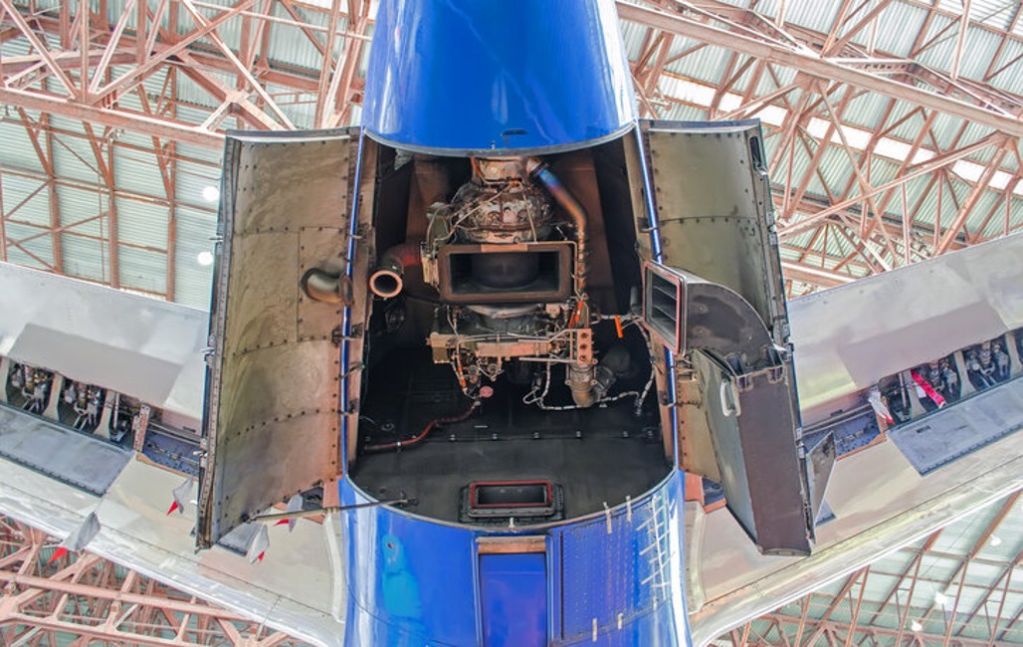
The risk that is not seen inside the plane
An aircraft under maintenance has spaces where the greatest danger is invisible. In fuel tanks and other enclosed areas of the aircraft, the main risks are not visible to the naked eye: oxygen-poor atmospheres, toxic vapors or flammable mixtures. Precisely, maintenance experts agree that the deadliest thing inside a fuel tank is not the structural, but the potentially dangerous atmospheric conditions.
What is considered a confined space in aviation?
Definition applied to the aeronautical environment
A confined space is one that has limited access, insufficient natural ventilation, and is not designed for continued human occupancy. This normative definition fully fits with multiple internal areas of an aircraft during maintenance tasks.
Common examples in MRO
In aviation, fuel tanks are the most representative example. In addition to these, the interior of the wings, cargo holds, fuselage sections, systems compartments and the APU are added. All these areas can become confined spaces when access is required for inspection or repair.
Why they're especially critical during maintenance
A dynamic and changing environment
During MRO, the aircraft is not in its normal operating configuration. Systems are opened, residues of fuels or chemicals remain, inerting gases are used and work is carried out that alters the internal environment. In this context, conditions can change rapidly: a safe atmosphere at the start can become dangerous in a matter of minutes if vapours are released or the oxygen level drops.
Main risks in confined aircraft spaces
Atmospheric and operational hazards
The most common risks include oxygen deficiency, caused by inerting or displacement of air; the presence of toxic vapours from fuels, solvents or sealants; and the formation of flammable atmospheres within the explosive range. Added to this are residual energies (electrical, hydraulic or pneumatic) and a key factor: extremely complex rescue in the event of an incident.
The most dangerous mistake: entering without a plan
One of the biggest mistakes is "going in quickly to check something". Experience shows that many serious accidents in confined spaces include secondary victims during improvised rescue attempts. Therefore, impulsive entry without control or adequate means multiplies the risk.
The Golden Rule in MRO: Avoid Entry
Whenever possible, you should not enter. Today, aeronautical maintenance uses drones, endoscopic cameras, and remote systems for internal inspections, drastically reducing human exposure. When entry is essential, it must be justified, planned and controlled.
Procedural and discipline-based security
In aeronautical maintenance, safety is not intuition. It is procedure, control and discipline. Each access to a confined space must have permits, measurements, ventilation, external surveillance and a defined rescue plan. It is not optional: it is what prevents accidents inside the plane.