

When a tool limits an entire operation
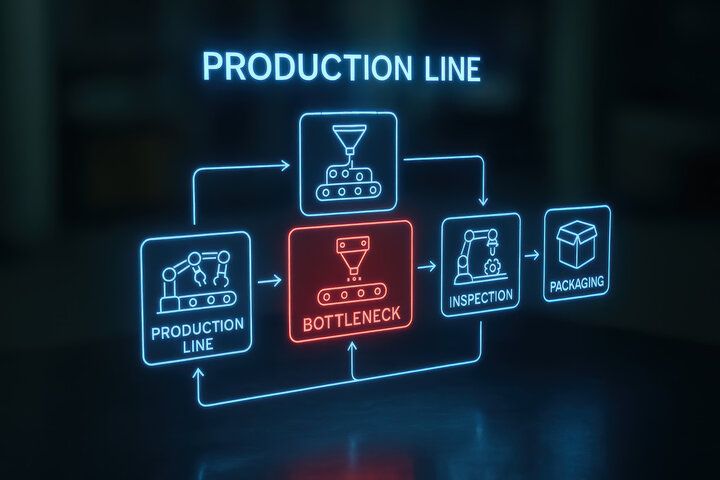
An operational bottleneck is any element that reduces the capacity of a process and limits the performance of the entire operation. Although it is usually associated with machinery, personnel or materials, one of the most frequent and least visible factors is industrial tools.
In maintenance, assembly or production environments, having qualified technicians does not guarantee efficiency if the right tools are not available when they are needed. A single shortage can delay a complete intervention and affect the entire operational chain.
How tools create bottlenecks
Lack of availability
When several pieces of equipment share the same critical tool, waiting times, reprogramming and loss of productivity occur. This usually happens with torque wrenches, 1000V insulated equipment, extractors or special tools.
Inadequate tools
Using a tool not designed for a specific application increases execution time, reduces accuracy, and increases the risk of errors. What should be solved in minutes can become a much more complex task.
Losses and disorganization
Searching for tools, checking their location, or managing internal loans creates downtime. In some operations, technicians spend more time locating equipment than doing the work.
The impact on industrial productivity
Tool-related bottlenecks have direct consequences:
- Increased maintenance times.
- Project delays and scheduled shutdowns.
- Increased operating costs.
- Reduced availability of equipment and facilities.
- Increased security risk.
- Reduced overall productivity.
When a critical intervention is delayed due to not having the right tool, the operational cost can be much higher than the value of the tool itself.
How to remove them
The solution is to ensure that technicians have immediate access to the necessary resources. Specialized tool kits, carts organized by application, equipment standardization and effective inventory control can reduce downtime and improve operational efficiency.
In addition, the use of industry-specific tools helps to carry out jobs faster, safer and more reliably.
Industrial tools are not just work consumable. Their availability, organization, and specialization have a direct impact on productivity, safety, and operating costs. Identifying and eliminating tool-related bottlenecks allows you to increase efficiency and ensure that human and technical resources work to their full potential.